
The Impact of Interest Rates on Credit Cards: How to Choose the Best for Your Financial Profile
Navigating the complex world of credit card interest rates is essential for effective financial management. Understanding fixed and variable rates, evaluating APR, and utilizing digital tools can empower consumers to make informed choices. By leveraging technology and maintaining a strong credit profile, you can secure the best credit options tailored to your financial needs.

The Benefits and Risks of Using Credit Cards in Building Personal Credit
Credit cards are powerful tools for building personal credit, offering convenience and rewards that enhance financial flexibility. However, they also pose risks like debt accumulation and interest costs. Understanding how to manage credit responsibly and leveraging technology can optimize benefits while minimizing risks in credit card usage.

Credit Cards with Rewards: Are They Worth It? An Analysis of the Best Options on the Market
This article explores the value of credit cards with rewards, analyzing their features and benefits in today's financial landscape. It highlights innovative trends like personalized rewards systems and the integration of blockchain and AI, allowing consumers to maximize savings and enhance financial management effectively.

How to Avoid Debt with Credit Cards: Effective Strategies for Responsible Use
Explore innovative strategies for responsible credit card use to avoid debt. Utilize budgeting tools, set payment alerts, and leverage technology like AI-driven apps and virtual cards to manage your finances effectively. By prioritizing financial literacy and informed decision-making, you can maintain control and foster a healthy relationship with credit.
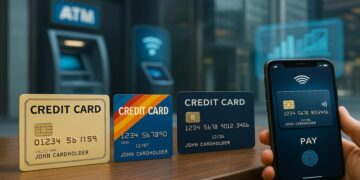
The Evolution of Credit Cards: Trends and Innovations Transforming the Financial Market
The credit card landscape is transforming rapidly, driven by advancements like mobile wallets, contactless payments, and fintech innovations. These trends enhance convenience, security, and personalization, ultimately reshaping consumer interactions with finances and positioning credit cards as essential tools in an evolving cashless economy.
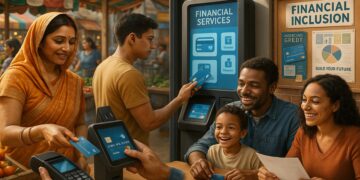
The Role of Credit Cards in Increasing Financial Inclusion: Opportunities for Underserved Populations
Credit cards are increasingly vital in promoting financial inclusion for underserved populations, facilitating access to credit, enhancing convenience, and driving economic mobility. Technological advancements enable tailored financial solutions, empowering individuals to build credit and improve financial literacy, ultimately creating a more equitable financial landscape for all.

Credit Cards for Students: How to Build a Solid Financial Future from College
Credit cards designed for students can be a powerful tool for establishing credit history and enhancing financial literacy. By responsibly managing these cards and leveraging fintech innovations, students can confidently build a solid financial future, benefiting from rewards and improved financial habits that will serve them well after graduation.

The fiscal impact of having a side job: what you need to know
The rise of side jobs offers financial diversification and skill development opportunities while introducing critical fiscal responsibilities. Understanding tax implications, utilizing innovative financial tools, and continuous education are essential for effectively managing income and expenses, ensuring long-term financial success in the evolving gig economy.

Strategies for Managing Time and Maximizing Income with Side Jobs
Explore effective strategies for managing time and maximizing income through side jobs in today's gig economy. Discover how technology, prioritization, and innovative financial tools can enhance your productivity and create sustainable income opportunities. Embrace adaptability and continuous learning to achieve financial independence and stability.

How Side Jobs Can Help Build an Emergency Fund
Establishing an emergency fund is crucial for financial stability. Engaging in side jobs not only provides extra income but enhances skills and financial literacy. Utilizing technology, individuals can diversify their income streams, build savings, and develop a resilient financial mindset, ultimately empowering their financial futures amidst uncertainty.